



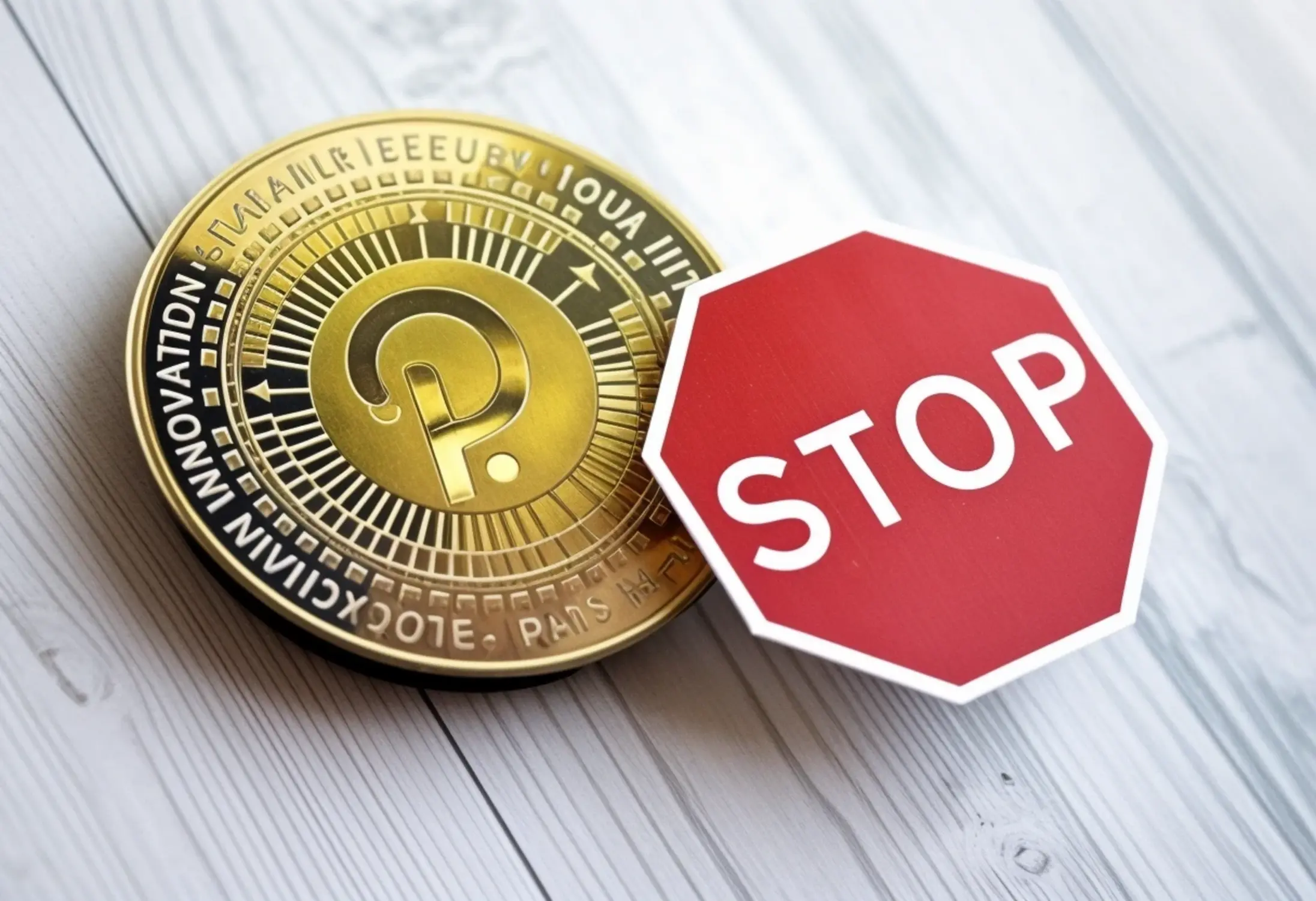
The rise of the stablecoin A7A5 represents a significant shift in the crypto economy, providing sanctioned companies with an alternative to navigate financial restrictions. As these companies adapt, understanding their strategies becomes critical for stakeholders and regulators alike.
The Challenge of Financial Restrictions
Financial restrictions pose significant hurdles for sanctioned companies, limiting their access to traditional banking systems and markets. These restrictions often lead entities to seek alternative financial solutions that allow them to continue operations effectively. As geopolitical tensions heighten, the need for alternate financial systems becomes increasingly urgent.
Cryptocurrency, particularly stablecoins like A7A5, plays a crucial role in circumventing these constraints. For instance, with significant fluctuations in political environments, companies under sanctions have turned to digital currencies as a means to facilitate transactions, thus maintaining operational continuity and securing vital resources. According to recent reports, stablecoins are emerging as a preferred tool for these entities, allowing them to sidestep traditional financial scrutiny while engaging in commerce.
Understanding A7A5’s Role in the Crypto Economy
Stablecoin A7A5 is a cryptocurrency designed to maintain a stable value against traditional currencies, enabling transactions without the volatility common to other cryptocurrencies. The stablecoin was launched in February 2025, and since then, it has gained traction within a niche market increasingly focused on evading financial restrictions. This stablecoin is uniquely positioned within the crypto economy, offering sanctioned companies a reliable means to conduct their financial activities even amidst widespread sanctions.
The mechanism of A7A5 operates by connecting liquidity through blockchain technology, facilitating secure exchanges above the regulatory radar. By linking its operations to the financial activities of sanctioned companies, A7A5 has established itself as a lifeline for entities struggling under the weight of sanctions. This relationship illustrates how blockchain technology is revolutionizing financial practices among those excluded from the traditional banking systems.
Current Usage of A7A5 by Sanctioned Entities
Several sanctioned companies have started utilizing A7A5 to navigate around financial limitations imposed by international sanctions. For example, reports indicate that companies like Promsvyazbank have adapted to using A7A5 as a primary tool for their transactions, effectively securing $39 billion in crypto flows linked to sanctions evasion. This substantial amount corresponds to a broader context where illicit cryptocurrency usage related to sanctions has surged, reaching approximately $158 billion.
The growing reliance on A7A5 is reshaping how these companies operate by providing them with means for fund movement and international commerce that would otherwise be unavailable to them. By leveraging this stablecoin, sanctioned entities can sustain their operations and explore new markets, mitigating the adverse effects of financial restrictions.
Trends in the Evolution of Sanction Evasion
The rise of cryptocurrency as a tool for sanctions evasion reflects broader trends in the financial landscape. With increasing scrutiny on financial transactions, sanctioned entities are progressively investing in cryptocurrencies, particularly stablecoins like A7A5, to escape traditional banking oversight. This shift signifies a potential realignment in global financial practices as more companies look for ways to bypass regulations that hinder their operations.
As we observe these trends, it becomes evident that financial regulations must evolve in response to the emergence of alternatives like A7A5. Industry experts highlight alarming statistics related to illicit financial flows, asserting that with the increasing use of stablecoins, regulators face significant challenges in ensuring compliance and security in financial ecosystems. These developments indicate that as A7A5 usage grows, so too will the complexities faced by financial authorities.

Implications for Financial Regulations
The emergence of A7A5 presents formidable challenges to existing financial regulations. Current frameworks are ill-equipped to address the fast-evolving nature of digital currencies and their applications among sanctioned companies. Regulators must reevaluate how they monitor and enforce compliance, emphasizing the need for updated strategies that account for the unique nature of cryptocurrencies.
Experts propose that regulators consider adopting flexible approaches that can be adapted as the landscape shifts. Strategies might include enhanced transparency measures and closer collaboration with blockchain technology firms to better understand the flow of funds. By embracing innovative regulatory practices, authorities can better manage the risks posed by the advancements in stablecoin usage, minimizing the potential for misuse while maintaining robust financial systems.
Navigating Changes in Crypto Regulations
For companies involved in the crypto economy, particularly those utilizing stablecoins like A7A5, staying compliant with evolving regulations is crucial. Businesses should proactively assess their compliance status and adapt their strategies to align with the latest legal frameworks. This involves ensuring that they are aware of potential risks associated with using stablecoins and implementing measures that outline responsible usage.
Being informed is key. Companies should leverage resources that keep them updated on cryptocurrency regulations and the implications that A7A5 might have on their operations. Consistent engagement with legal experts and participation in industry discussions will aid in navigating the complex regulatory environment. As the financial landscape continues to evolve, the ability to remain compliant while maximizing the benefits of technology will determine the success of these companies in a rapidly changing world.