



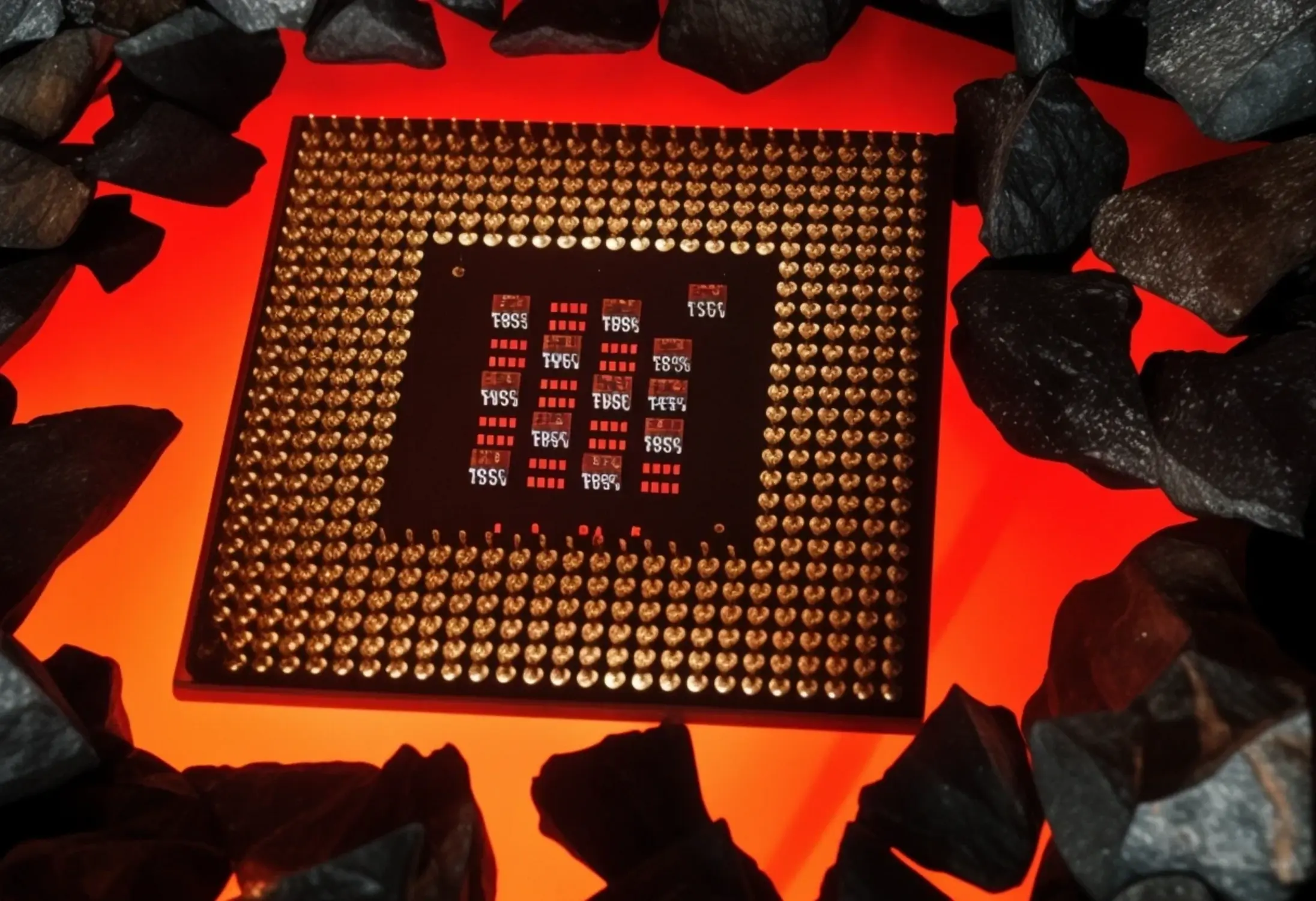
We’re at a turning point in the crypto economy as Nvidia’s Rubin chips emerge to redefine AI infrastructure and efficiency. These advancements unlock new potentials within decentralized markets, positioning Bittensor to leverage innovations that could reshape how AI models operate and compete.
Innovations Driving Change in AI Infrastructure
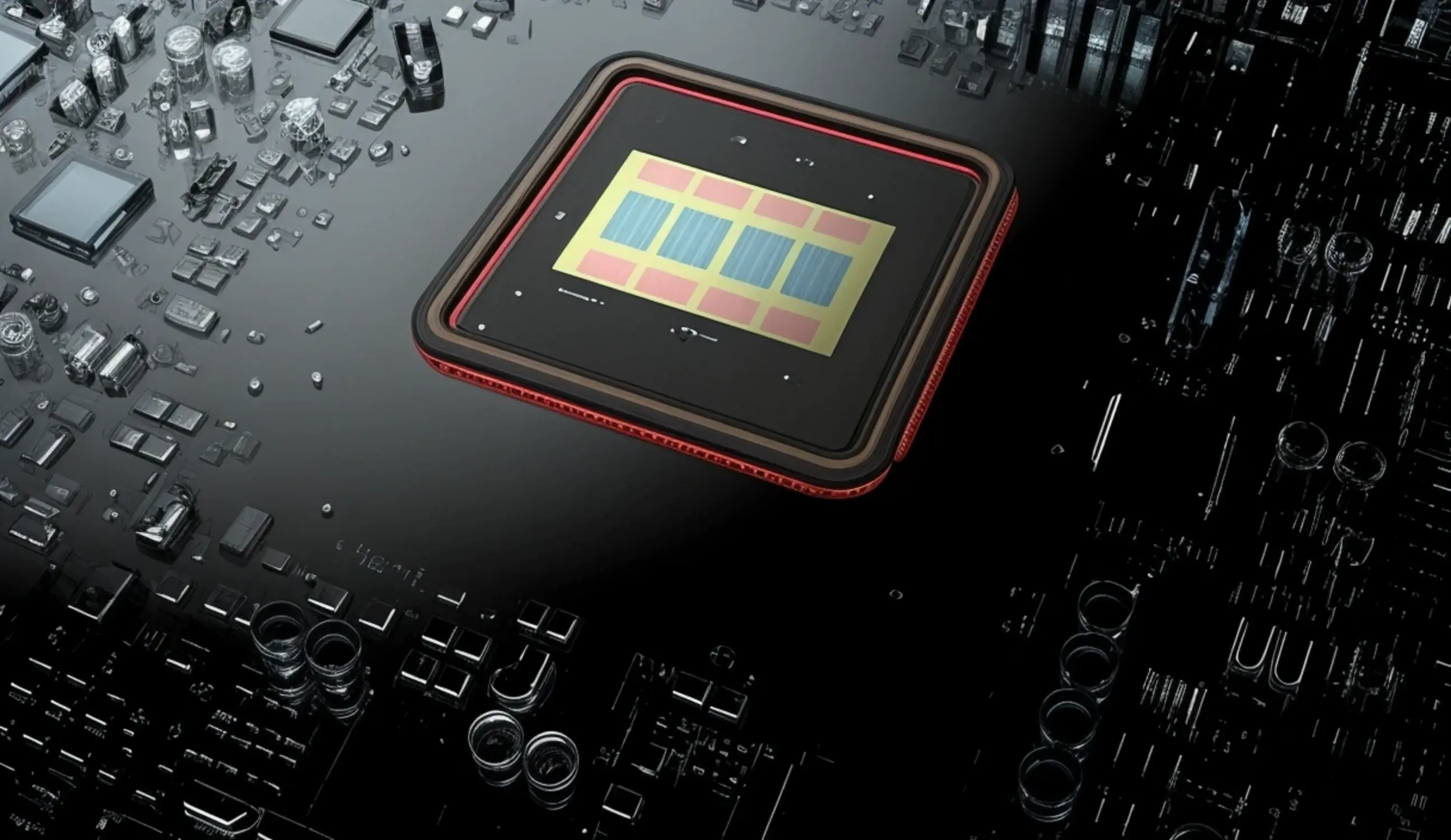
Nvidia’s Rubin chips represent a seismic shift in AI workload handling. Traditionally, AI systems have relied on discrete, specialized hardware that often incurs high operational costs. With the advent of the Rubin chips, Nvidia is poised to revolutionize this landscape by integrating advanced GPUs, high-bandwidth HBM4 memory, and custom CPUs. This combination enhances tasks like machine learning and data processing significantly, leading to better performance and lower costs for developers and companies alike.
Moreover, the streamlined architecture of the Rubin chips minimizes latency, ensuring superior efficiency that can handle increased demand without sacrificing quality. According to a recent analysis, “Nvidia’s Rubin chips improve AI efficiency, allowing for modular systems that use multiple specialized models”. This transformation is essential as we see more industries adopting AI technologies to enhance their operations and decision-making processes.
The Shift Towards Modular AI Systems
Modular AI systems herald a new era in computing, especially with the introduction of Rubin chips. These systems allow businesses to customize their AI environments, combining different models tailored to specific tasks. By leveraging the increased bandwidth and processing capabilities provided by the HBM4 memory, developers can create systems that process data more swiftly and accurately.
Integrating custom CPUs and GPUs means that companies no longer have to rely on off-the-shelf solutions. Instead, they can build tailored architectures that maximize their operational efficiency. As noted by experts in the field, “Rubin is Nvidia’s next-generation data-center platform” tailored for the modular approach. This flexibility not only improves performance but also encourages innovation as companies experiment with new applications of AI.
Bittensor’s Role in the New AI Economy
As Nvidia’s advancements take center stage, Bittensor emerges as a key player within this rapidly evolving ecosystem. By utilizing the groundbreaking capabilities of Rubin chips, Bittensor aims to create an open, decentralized market for AI models. This platform allows various AI frameworks to compete based on performance metrics, enabling developers to optimize their models continuously.
Additionally, the utilization of the TAO token as an incentive mechanism ensures that participants are rewarded fairly for contributions to the network. This aligns perfectly with the ethos of the crypto economy, promoting decentralized control and incentivizing collaboration. As the demand for AI-driven solutions surges, Bittensor’s approach positions it strategically in the marketplace, reducing barriers to entry for emerging AI developers.
Jensen Huang’s Vision for the Future
Nvidia’s co-founder Jensen Huang plays a pivotal role in shaping the company’s future direction and enhancing Nvidia’s positioning in an increasingly competitive tech landscape. Under his leadership, Nvidia has focused on innovation and cutting-edge technology, which has often placed it miles ahead of competitors.
Huang’s vision extends to the evolving AI market, where he predicts a substantial growth trajectory fueled by advances in hardware. As he pointed out in various statements, the integration of advanced chips like the Rubin will redefine how AI interacts with other technologies. This paves the way for innovations that not only improve operational capacities but also enhance user experiences in a broad array of applications.
Competition and Opportunities in the Crypto Economy
The introduction of Nvidia’s Rubin chips poses both challenges and opportunities for existing players in the crypto and AI sectors. Emerging companies are likely to benefit from the enhanced capabilities provided by these chips, alongside established firms that may need to reassess their strategies to maintain competitiveness.
Economically, the advanced features of the Rubin chips will create new avenues for innovation in the AI domain. Traditional AI models face the risk of obsolescence unless they adapt to the new capabilities brought by these advances. Companies that leverage the benefits of Nvidia’s technology will find themselves better positioned to capture market share in the burgeoning crypto economy.
Preparing for the Impact of Rubin Chips
As businesses gear up for the ripple effects of the Rubin chips, several strategic approaches can aid in their adaptation. Foremost, investments in AI technologies that utilize Nvidia’s innovations should be prioritized, as these advancements will likely provide competitive advantages.
Keeping abreast of developments in AI and crypto technologies is vital for organizations aiming to remain relevant in this dynamic landscape. Transition strategies include assessing current AI capabilities and exploring partnerships that facilitate the integration of new technologies. By adopting a proactive stance towards Nvidia’s innovations, businesses can ensure they harness the full potential of emerging technologies effectively.